Wednesday, 2 April 2025

Best Skin Care Routine Treatment in Summer Call Dr. Disha

With the heat increasing and the sun becoming brighter, our skin needs a special summer skincare routine to remain healthy, hydrated, and radiant. The high heat, humidity, and greater sun exposure can cause skin issues such as sunburn, dehydration, and acne. At Dr. Disha Hair and Skin Clinic, we offer professional advice on the optimal summer skincare routine to make your skin look and feel perfect all summer long.

1. Cleanse Your Skin Twice a Day

In the summer, there is excessive sweat, oil, and pollution in the environment can block pores and lead to breakouts. A mild yet effective cleanser is needed to have clean and fresh skin.
  • Use a light, gel-like or foaming cleanser that takes off dirt and oil without drying out the skin.
  • Look for ingredients likes salicylic acid, glycolic acid, or tea tree oil if you have oily or acne skin.
  • For dry skinuse hydrating cleanser with aloe vera or hyaluronic acid.
  • Cleanse your face twice a day – in the morning and before bedtime – to prevent buildup and acne.

2. Exfoliate Regularly for Clear Skin

Exfoliation is crucial to remove dead skin cells, unclog pores, and enhance skin brightness.
  • Use a mild exfoliant 2-3 times a week to avoid over-exfoliation, which can lead to sensitivity.
  • Choose chemical exfoliants like AHAs (alpha hydroxy acids) and BHAs (beta hydroxy acids) for a deeper cleanse.
  • If you like physical exfoliants, use fine, natural scrubs such as oatmeal or rice powder.
  • Exfoliating regularly improves the penetration of skincare products and prevents summer dullness.

3. Keep Your Skin Hydrated

Hydration is the secret to having plump and healthy skin during the summer. Dehydrated skin tends to become more wrinkleddull, and irritated.
  • Apply a light, water-based moisturizer to seal in hydration without greasiness.
    Ingredients 
  • Ingredients such as hyaluronic acid, glycerin, and aloe vera lock in deep moisture.
  • Use hydrating face mists during the day for an instant pick-me-up.
  • Make it a habit to drink 8-10 glasses of water per day to ensure your skin gets hydrated internally.

4. Apply Sunscreen Every Day

Sunscreen is the key to your summer skincare routine that prevents sun damage, premature aging, and dark spots.
  • Pick a broad-spectrum sunscreen that is at least SPF 30.
  • If you have oily skin, use a gel-based or matte-finish sunscreen.
  • For dry skin, use a moisturizing sunscreen with extra hydration.
  • Put on sunscreen 30 minutes before going outside and reapply every 2-3 hours, especially when outside.

5. Switch to Lightweight Skincare Products

Heavy creams and oils can feel uncomfortable in the summer heatLighter, non-comedogenic skincare products are more appropriate for hot weather.
  • Use an antioxidant serum with a water base containing vitamin C to combat free radical damage.
  • Swap heavy foundations for BB creams or tinted moisturizers with SPF.
  • Choose oil-free makeup products to prevent clogged pores and breakouts.

6. Soothe Your Skin with Cooling Face Masks

Your skin requires special care after sun exposure to prevent inflammation and redness.
  • Apply cooling face masks containing cucumber, aloe vera, or green tea to soothe irritated skin.
  • Use a calming sheet mask once or twice a week for an extra dose of hydration.
  • Yogurt, honey, and turmeric DIY masks brighten and revive the skin.

7. Protect Your Lips and Eyes

The sensitive skin of the lips and eyes tends to be overlooked, but it needs just as much sun protection and moisturizing.
  • Use a lip balm with SPF to avoid chapped, sunburned lips.
    Use an eye cream 
  • Use an eye cream containing cooling agents such as caffeine and cucumber to minimize puffiness.
    Wear 
  • Wear UV-protective sunglasses to shield your eyes from damaging rays.

8. Eat a Skin-Friendly Diet

Your diet has a significant role to play in ensuring healthy, radiant skin in the summer.
  • Boost water content with fruits and vegetables such as watermelon, cucumbers, and oranges.
  • Avoid fried and sugary foods that can cause breakouts and inflammation.
  • Add foods that are high in antioxidants, omega-3, and vitamins A, C, and E for healthy-looking skin.

9. Maintain a Nighttime Skincare Routine

Your skin repairs itself while you sleep, so a good nighttime routine is crucial.
  • Double cleanse to take off sunscreen, makeup, and impurities.
  • Put on hydrating toner to balance the pH of the skin.
  • Use a light serum or night cream that contains niacinamide or peptides to revitalize the skin during the night.
    Get 7-8 hours of quality sleep for a refreshed complexion.
  • Get 7-8 hours of quality sleep for a refreshed complexion.

10. Consult Dr. Disha  for Personalized Skincare

Your skin is unlike anyone else's, and advice from a pro can make a big difference. At Dr. Disha Hair and Skin Clinic, we have personalized summer skincare treatments that work according to your skin type and issues
Our dermatologists and skincare experts perform advanced treatments such as chemical peelsnourishing facials, and laser treatments to leave your skin radiant.

Stay Consistent with Your Routine

Consistency is the secret to summer skin that's healthy, bright, and shiningHaving a simple, effective skincare routine will keep your skin glowing and safeguarded.
  • Maintain a morning and evening routine that suits your skin type.
    Make 
  • Make applying sunscreen part of your daily habit.
  • Stay hydrated, eat well, and protect your skin from environmental stressors.
By adopting this summer skincare plan with Dr. Disha Hair and Skin Clinic, as suggested by experts, you can have cleanmoisturized, and bright skin throughout the year.

For expert advice, please call us:
+919389107105

#drdishajaggi #drdishaclinic #dermatologist #antiaging #antiageingskincare #lucknow #lucknowdiaries #influencer #trendingreels #instareel #explore #foryou

Thursday, 20 March 2025

Skin Care for Dry Skin with Dr. Disha's Hair and Skin Clinic


Dry skin can be uncomfortable, leading to itching, flaking, and irritation. Proper skincare is essential to maintain hydration and protect your skin. At Dr. Disha's Hair and Skin Clinic, we specialize in tailored treatments for dry skin, ensuring optimal hydration and nourishment. This guide provides expert advice on skincare routines, treatments, and frequently asked questions to help you achieve smooth, healthy skin.


Causes of Dry Skin

Understanding the causes of dry skin can help in selecting the right treatment. Some common reasons include:

  • Environmental Factors: Cold weather, low humidity, and excessive sun exposure can strip moisture from the skin.

  • Harsh Skincare Products: Soaps, detergents, and alcohol-based products can dry out the skin.

  • Medical Conditions: Eczema, psoriasis, and thyroid disorders can contribute to dry skin.

  • Aging: As we age, our skin produces less natural oils, leading to dryness.

  • Hot Showers: Prolonged exposure to hot water can remove essential oils from the skin.


Best Skincare Routine for Dry Skin

1. Gentle Cleansing

  • Use a mild, hydrating cleanser.

  • Avoid foaming cleansers that strip natural oils.

  • Cleanse with lukewarm water instead of hot water.

2. Hydrating Moisturizers

  • Apply a thick moisturizer immediately after washing your face.

  • Look for ingredients like hyaluronic acid, glycerin, and ceramides.

  • Use an oil-based moisturizer at night for deep hydration.

3. Exfoliation

  • Exfoliate 1-2 times a week with a mild scrub.

  • Choose chemical exfoliants with lactic acid instead of harsh physical scrubs.

4. Sun Protection

  • Always wear sunscreen with SPF 30+.

  • Choose a moisturizing sunscreen to prevent further dryness.

  • Reapply every 2 hours when outdoors.

5. Hydrating Masks

  • Use sheet masks or hydrating gel masks weekly.

  • Look for ingredients like aloe vera, honey, and shea butter.


Best Treatments for Dry Skin at Dr. Disha’s Hair and Skin Clinic

1. HydraFacial

A specialized facial treatment that deeply hydrates and nourishes dry skin.

2. Chemical Peels

Mild chemical peels help exfoliate dead skin cells and enhance hydration.

3. Microdermabrasion

This non-invasive procedure removes dead skin layers, promoting skin renewal.

4. Moisture Infusion Therapy

A professional treatment that infuses moisture into the skin for long-lasting hydration.

5. PRP Therapy

Platelet-rich plasma (PRP) therapy helps rejuvenate and hydrate the skin naturally.

Dry skin requires a dedicated skincare routine to stay healthy and hydrated. Dr. Disha's Hair and Skin Clinic offers professional treatments and expert advice to help you achieve soft, nourished skin. Follow these skincare tips and consult a dermatologist for personalized care.

Friday, 7 March 2025

How to Immediately Stop Hair Fall? Dr. Disha's Hair and Skin Clinic


Hair fall is a common problem faced by both men and women. Whether due to stress, lifestyle, or medical reasons, excessive hair fall can be distressing. If you're searching for ways to stop hair fall immediately, Dr. Disha's Hair and Skin Clinic offers expert solutions. This article explores the causes of hair fall and effective treatments to restore hair health.

Causes of Hair Fall

Understanding the reasons behind hair loss is the first step in stopping it. Common causes include:

  • Genetics: Hereditary hair loss (androgenetic alopecia) is a common factor.

  • Hormonal Imbalance: Thyroid issues, pregnancy, and menopause can contribute to hair fall.

  • Nutritional Deficiencies: Lack of iron, biotin, and protein weakens hair.

  • Stress & Lifestyle: High stress levels and lack of sleep can accelerate hair shedding.

  • Excessive Chemical Use: Harsh hair treatments and dyes damage hair roots.

  • Medical Conditions: Diseases like alopecia areata or scalp infections can trigger hair loss.

How to Immediately Stop Hair Fall?

Dr. Disha's Hair and Skin Clinic provides a range of treatments and solutions to combat hair loss effectively.

1. Medical Treatments

  • PRP (Platelet-Rich Plasma) Therapy: This treatment stimulates hair follicles and boosts hair growth.

  • Hair Mesotherapy: A vitamin-rich injection nourishes hair roots and prevents excessive shedding.

  • Low-Level Laser Therapy (LLLT): Encourages hair growth by increasing blood flow to the scalp.

  • Medications: FDA-approved medications like Minoxidil and Finasteride help reduce hair loss.

2. Home Remedies for Immediate Results

  • Aloe Vera Gel: Apply fresh aloe vera gel to the scalp to reduce inflammation and hair fall.

  • Onion Juice: Rich in sulfur, it promotes hair regrowth.

  • Coconut Oil Massage: Strengthens hair and prevents breakage.

  • Egg Mask: Provides essential proteins to hair follicles.

3. Diet & Nutrition for Healthy Hair

Eating the right foods plays a crucial role in preventing hair loss. Include:

  • Protein-rich foods like eggs, fish, and lentils.

  • Vitamin A & E sources like spinach, carrots, and nuts.

  • Iron and zinc from leafy greens and dairy.

  • Hydration—Drink plenty of water.

4. Lifestyle Changes to Prevent Hair Loss

  • Avoid stress through meditation and exercise.

  • Sleep for at least 7-8 hours daily.

  • Limit the use of heating tools and chemical treatments.

  • Use mild, sulfate-free shampoos.

FAQs

Q1: Can hair fall stop immediately?

Yes, immediate changes in diet, lifestyle, and professional treatments can significantly reduce hair fall.

Q2: What is the best natural remedy for hair fall?

A combination of onion juice, aloe vera, and coconut oil works wonders.

Q3: How often should I wash my hair to prevent hair fall?

Washing your hair 2-3 times a week with a gentle shampoo helps maintain scalp health.

Q4: Does stress cause hair fall?

Yes, stress leads to hair loss due to hormonal imbalances. Stress management techniques can help.

Conclusion

Hair fall can be distressing, but with the right treatments, remedies, and lifestyle changes, you can regain healthy hair. Dr. Disha’s Hair and Skin Clinic provides expert solutions for immediate and long-term hair fall control. Book a consultation today and take the first step towards stronger, healthier hair! 

Monday, 3 March 2025

Dry Hair Treatment in Summer with Dr. Disha Skin and Hair Clinic


Introduction

Summer can be a nightmare for your hair! The scorching heat, humidity, and excessive sweating strip away natural oils, making your hair dry, frizzy, and lifeless. If you struggle with dry hair during the summer, Dr. Disha Skin and Hair Clinic has expert-backed solutions to bring back hydration and shine. This guide will walk you through effective dry hair treatments, professional advice, and home remedies to keep your locks healthy.


Why Does Hair Become Dry in Summer?

Before we jump into treatments, it is important to understand what causes dry hair in the summer:

  • Sun Exposure: UV rays damage the hair cuticle, leading to moisture loss.

  • Swimming Pools & Saltwater: Chlorine and salt strip away natural oils, leaving hair dry.

  • Frequent Washing: Over-washing removes essential oils, making hair brittle.

  • Hot Styling Tools: Excessive use of curling irons, straighteners, and blow dryers worsens dryness.

  • Lack of Hydration: Not drinking enough water affects hair health, making it look dull.


Professional Treatments for Dry Hair at Dr Disha's Hair & Skin Clinic

1. Hydrating Hair Masks

Dr Disha's Hair & Skin Clinic offers deep-conditioning treatments infused with argan oil, keratin, and hyaluronic acid. These masks provide intense hydration, restoring moisture balance.

2. Keratin Treatment

A keratin treatment repairs damaged hair by smoothing the cuticle, reducing frizz, and improving shine. This is a great solution for those suffering from severe hair dryness.

3. Scalp Therapy

A dry scalp often leads to dry hair. The clinic provides personalized scalp treatments with essential oils and serums to nourish the roots and promote hair growth.

4. PRP Therapy for Hair

Platelet-rich plasma (PRP) therapy is an advanced treatment that stimulates hair follicles, improves texture, and enhances hydration levels.

5. Hair Botox Treatment

This is a deep-conditioning treatment that replenishes lost nutrients, restores elasticity, and strengthens hair from within.


Best Home Remedies for Dry Hair

1. Coconut Oil Treatment

  • Warm coconut oil and massage it into your scalp.

  • Leave it overnight, and wash it off the next morning.

  • Coconut oil penetrates deep into hair strands, preventing moisture loss.

2. Aloe Vera Hair Mask

  • Mix fresh aloe vera gel with honey and apply it to your hair.

  • Leave it on for 30 minutes before rinsing.

  • Aloe vera soothes and hydrates the scalp, while honey locks in moisture.

3. Avocado and Banana Hair Mask

  • Blend one ripe avocado and a banana.

  • Apply this creamy mixture to your hair and leave it for 40 minutes.

  • These ingredients are rich in vitamins and natural oils that restore shine and softness.

4. Egg Yolk and Olive Oil Mask

  • Mix two egg yolks with two tablespoons of olive oil.

  • Apply this mixture to your scalp and hair.

  • Egg yolk nourishes the hair, and olive oil deeply conditions it.


Daily Hair Care Tips to Prevent Dryness

  • Use a Mild, Sulfate-Free Shampoo – Harsh shampoos strip natural oils.

  • Condition Regularly – Always follow up with a conditioner to lock in moisture.

  • Protect Hair from Sun – Wear a hat or use UV-protection sprays.

  • Reduce Heat Styling – Let your hair air-dry whenever possible.

  • Drink Plenty of Water – Hydrated body means hydrated hair!


FAQs

1. How often should I wash my hair in the summer?

Washing hair 2-3 times a week with a gentle shampoo helps retain natural oils.

2. What foods help improve dry hair?

Include omega-3-rich foods like salmon, walnuts, and flaxseeds in your diet.

3. Can I use coconut oil daily?

Using coconut oil 2-3 times a week is enough to hydrate dry hair without making it greasy.

4. How can I protect my hair while swimming?

Apply coconut oil or a leave-in conditioner before swimming to create a protective barrier.

5. Which hair mask is best for dry hair?

Aloe vera and honey hair masks work wonders for dry and frizzy hair.


Conclusion

Dry hair in summer is a common issue, but with proper care, hydration, and professional treatments from Dr Disha's Hair & Skin Clinic, you can restore the health and shine of your hair. Follow these expert tips, try home remedies, and consult professionals for the best results!


Friday, 3 January 2025

What is The Difference Between Botox and Fillers ? Are You Confused What You Need So Read This !?!


Botox vs. Fillers: Understanding the Basics

Botox and dermal fillers are two of the most popular non-surgical aesthetic treatments. While both aim to enhance the appearance and reduce the signs of ageing, they serve different purposes and work in distinct ways. Here's a breakdown of their differences, uses, and costs in India.  


1. What is Botox?

Botox is a purified form of botulinum toxin type A. It works by temporarily relaxing the muscles responsible for dynamic wrinkles (caused by repetitive facial expressions like smiling or frowning).  

Uses of Botox:  

  • Wrinkle reduction 

  - Forehead lines.  

  - Crow's feet (lines around the eyes).  

  - Frown lines (between the eyebrows).  

  • Medical conditions:  

  - Excessive sweating (hyperhidrosis).  

  - Chronic migraines.  

  - Jawline slimming (masseter reduction).  

  - Neck bands (platysma).  

Who Needs Botox?

- Individuals in their late 20s or 30s for preventive wrinkle treatments.  

- Those in their 40s and beyond to reduce dynamic wrinkles caused by muscle activity.  

Duration of Results:  

3-6 months, depending on metabolism, lifestyle, and treatment area.  


2. What are Dermal Fillers?

Dermal fillers are gel-like substances (often made of hyaluronic acid) injected into the skin to restore volume, smooth lines, and enhance facial contours.  

Uses of Fillers:  

  • Volume restoration:  Cheeks, under-eye hollows, and temples.  
  • Lip enhancement: Adding definition and volume to the lips.  
  • Contour correction: Enhancing the jawline, chin, or nose (non-surgical rhinoplasty).  
  • Fine lines and wrinkles: Filling static lines (lines visible even at rest).  

Who Needs Fillers?

- Those experiencing volume loss due to ageing (typically in their late 30s or 40s).  

- Younger individuals seeking to enhance facial features (e.g., plumper lips or sharper jawline).  

Duration of Results:  

6 months to 2 years, depending on the type of filler, area treated, and individual factors.  


Key Differences Between Botox and Fillers 

| Feature            |       Botox                                     |       Fillers                                      |  

|--------------------|----------------------------------------|------------------------------------------|  

| Primary Use    | Reduces dynamic wrinkles         | Restores volume and contours       |  

| Mechanism      | Relaxes muscles                         | Fills or plumps the area                  |  

| Duration          | 3-6 months                                  | 6 months - 2 years                          |  

| Ideal Areas      | Forehead, eyes, frown lines         | Cheeks, lips, under-eyes, jawline  |  


Cost in India (2024)

The cost varies depending on the practitioner, clinic location, and the number of units or syringes required.  

Botox:  

- Per Unit: ₹250-₹800 per unit.  

- Typical Treatment: ₹6,000-₹25,000 per session (depending on areas treated).  

Dermal Fillers:  

- Per Syringe: ₹20,000-₹50,000 (1 ml syringe).  

- Typical Treatment: ₹20,000-₹1,00,000 (depending on the area and volume needed).  


Choosing Between Botox and Fillers

  • For Wrinkle Prevention or Reduction:  

  - If wrinkles appear with facial expressions, opt for Botox.  

  - If wrinkles persist even at rest, consider fillers.  

  • For Volume Enhancement:  

  - Fillers are the best choice for plumping and contouring.  


Final Thoughts  

Botox and fillers are highly effective tools in aesthetic medicine, but they should be tailored to individual needs. It’s crucial to consult a qualified aesthetic physician to determine the most suitable treatment plan.  

Would you like to know more about aftercare or specific brands used in India then email us at dr_disha_jaggi@hotmail.com

For more information visit: Dr Disha

✅Contact us at Dr Disha's and Garima's Hair and Skin Aesthetic Clinic to book an appointment or for more details. . . DM for any query or contact:-

📞☎ +91-9956241144

Landline: +0522-4059871 . . .

#bestskincliniclucknow #bridalbeauty #skincaregoals #DrDishaHairSkinClinic #photofacial #ConfidenceBoost #Dermatology #chemicalpeel #botox #PRF #lucknowtimes #lucknowcity #lucknowigers

Saturday, 28 December 2024

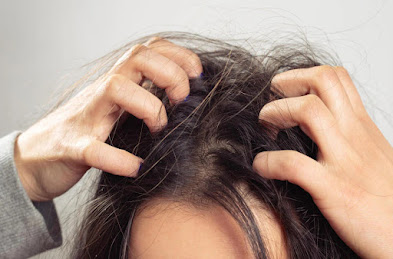
Winter Dandruff and Seborrheic Dermatitis: Causes, Symptoms, and Effective Treatments


As the cold winter months approach, many people notice an uptick in scalp issues, particularly dandruff and seborrheic dermatitis. These conditions can cause itching, flaking, and discomfort, which are exacerbated by the dry, cold air and heated indoor environments. Understanding the underlying causes and the available treatments can help you manage these conditions effectively.

What is Winter Dandruff?

Winter dandruff is often triggered by the dry and cold conditions during the winter months. The lack of humidity in the air can dry out the scalp, leading to the overproduction of skin cells and subsequent flaking.  

Symptoms

- White or yellow flakes on the scalp and hair.  

- Itchy or irritated scalp.  

- Increased dryness or sensitivity.  


What is Seborrheic Dermatitis?

Seborrheic dermatitis is a chronic skin condition that affects areas rich in sebaceous glands, such as the scalp, face, and upper chest. Unlike regular dandruff, it involves redness and inflammation in addition to flaking.  

Symptoms:

- Red, inflamed skin patches.  

- Greasy or yellowish flakes.  

- Itchy and irritated scalp.  

- Worsening symptoms during colder months.  

Causes:

- Overgrowth of yeast (Malassezia) on the scalp.  

- Genetic predisposition.  

- Cold, dry weather exacerbating the condition.  

- Stress, hormonal changes, or weakened immunity.  


How to Treat Winter Dandruff and Seborrheic Dermatitis

1. Use a Medicated Shampoo

- Anti-dandruff shampoos: Look for ingredients like ketoconazole, zinc pyrithione, salicylic acid, selenium sulfide, or coal tar.  

- Frequency: Use 2-3 times a week until symptoms improve, then reduce to once a week for maintenance.  

2. Moisturize Your Scalp 

- Apply lightweight, non-comedogenic oils like argan or jojoba oil to the scalp to combat dryness.  

- Avoid heavy oils, which can worsen seborrheic dermatitis by feeding the yeast.  

3. Maintain Scalp Hygiene

- Wash your hair regularly to remove excess oil and flakes.  

- Avoid over-washing, as it can strip natural oils and irritate the scalp.  

4. Avoid Triggers

- Limit the use of heat styling tools and harsh hair products.  

- Manage stress through activities like yoga, meditation, or regular exercise.  

5. Adjust Your Diet

- Incorporate foods rich in omega-3 fatty acids, zinc, and biotin to support scalp health.  

- Stay hydrated to prevent dryness.  

6. Use Topical Treatments

- Corticosteroid creams: For severe seborrheic dermatitis, a doctor may prescribe mild steroid creams to reduce inflammation.  

- Antifungal creams: Effective for controlling yeast overgrowth.  

7. Stay Hydrated Indoors

- Use a humidifier to add moisture to indoor air and prevent your scalp from drying out.  


When to See a Doctor?

If dandruff or seborrheic dermatitis persists despite at-home treatments, consult a dermatologist. Persistent symptoms might require prescription-strength medications or specialized care.  

Prevention Tips

- Wash hair with lukewarm water instead of hot water.  

- Protect your scalp with a hat or scarf in cold weather.  

- Use a mild shampoo even during symptom-free periods to maintain scalp health.   

By understanding the differences between winter dandruff and seborrheic dermatitis and following the above treatments, you can enjoy a healthy scalp all winter long. Take the necessary steps now to keep flakes at bay and soothe your skin for the season ahead.

For more information visit: Dr Disha

✅Contact us at Dr Disha's and Garima's Hair and Skin Aesthetic Clinic to book an appointment or for more details. . . DM for any query or contact:-

📞☎ +91-9956241144

Landline: +0522-4059871 . . .

#bestskincliniclucknow #bridalbeauty #skincaregoals #DrDishaHairSkinClinic #photofacial #ConfidenceBoost #Dermatology #chemicalpeel #botox #PRF #lucknowtimes #lucknowcity #lucknowigers

Tuesday, 17 December 2024

Tips For Clean, Clear, And Healthy Skin in Winter With Dr. Disha


Winter can be harsh for skin care. It is really important to take care of your skin in winter to keep it healthy, hydrated, moisturized, and clean. Skin often becomes dry in winter due to cold wind. So, it becomes really essential to take care of your skin during winter.

There are some tips to be followed to take care of your skin during winter.

  •  Keeping your skin hydrated:  It is really important to keep your skin hydrated in winter and moisturize to keep it fresh and radiant. You can use natural moisturizers like coconut oil, yoghurt, cucumber, etc.
  • Drink enough water daily: Drinking water is really essential for maintaining healthy skin. It keeps the skin hydrated and bright without dullness.
  • Wash your face with lukewarm water: Bathing with hot water relaxes the muscles but at the same time it is not good for your skin and makes it dry and rough. Therefore, we should wash our face with lukewarm water as it keeps the skin moisturized and allows the skin to produce natural skin oils.
  • Avoid chemical-free skin products: Skin products infused with chemicals are harmful to the skin. Hence, chemical-free products like soaps, and creams should be used to keep healthy, glowing skin.
  • Use lip balm: Use lip balm for your dry lips in winter. It helps in moisturizing the dry and cracked lips.
  • Adequate sleep: Adequate sleep is very important for a refreshing, healthy skin. A consistent sleep cycle is good for your overall body health and helps to achieve good healthy, brighter skin.
  •  Apply sunscreen: Use sunscreen throughout the year to protect your face from harmful rays of the sun. Sunscreen forms a layer on the skin and protects it from UV rays.
  • Guidance of screen care expert: One should take guidance from a skincare expert to achieve healthy and brighter skin goals.

Things and habits to avoid for healthy skin:

  • Do not wash your face too often: Washing your face too often makes it look dry and is not good for the skin. Instead, just wash your face twice a day for better and healthier skin.
  •  Avoid chemical-infused products: For healthier skin, avoid using chemical-infused skin products like soap, creams, and lotions that contain harsh chemicals. These products are not good for your skin and promote dry skin.
  • Avoid taking prolonged hot baths: We should avoid taking prolonged hot baths because they disable the natural oil produced by our skin and also make it dry. Instead, we should use lukewarm water to rinse and wash our face.
  • Avoid scratching of dry skin: Avoid scratching of dry skin as it can further deteriorate your condition.
  • Avoid over-cleansing: Avoid over-cleansing your skin as it washes away all the natural oil produced by the skin and in return causes dry, itchy skin.

FAQs related to healthy skin in winter:

Q) Which vitamin is good for the skin in winter?

A) Vitamin E moisturizes the skin in winter and keeps it hydrated and healthy. It removes and heals dry, itchy, and flaky skin. Vitamin E can be found in sunflower seeds, almonds, peanuts, avocados, etc.

Q) Is lukewarm better than hot water to clean the face?

A) Yes, it is better to rinse your face or wash your face with lukewarm water instead of hot water. Hot water makes the skin dry and itchy.

Q) What prevents skin darkening?

A) Applying sunscreen protects the skin from direct UV rays of the sun, and prevents dark spots and hyperpigmentation.


For more information visit us: Dr. Disha's Hair and Skin Clinic